Purpose

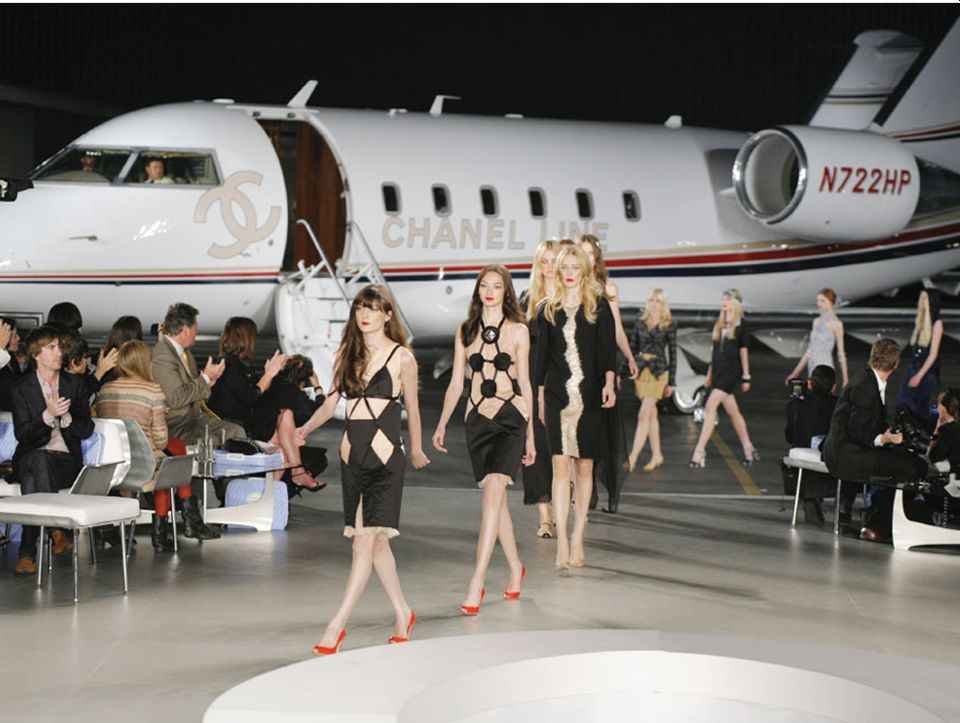
Fig.1 ( KARAMANIS, 2020)

In the complex world of the fashion industry, Purpose stands as the ultimate guiding force. Purpose weaves its way through every aspect of this ever-evolving realm, touching on brand identity, responsibility, ethics, psychology, and philosophy. Brand identity is more than a mere logo; it serves as a mirror of a brand’s purpose, encapsulating its fundamental principles and vision. Fashion brands bear a significant responsibility, not just for their financial success but for the well-being of the planet and society as a whole. Purpose delves even deeper, reaching into the consumers perception of a company (McKinsey & Company, 2020). It’s a connection that goes beyond mere aesthetics, delving into the very core of why we choose the clothing we do.

Philosophy:

A brand’s philosophy serves as the guiding compass that shapes its identity and resonates with consumers. It comprises the mission, vision, and value proposition, all of which are pivotal in conveying what a brand represents. The mission statement serves as a brief summary of what the brand aims to achieve right now, grounding it in the present moment. On the other hand, the vision statement paints a picture of the brand’s ambitious dreams and goals for the future (brain & Company). Furthermore, a company’s principles can be expressed via their engagement in Corporate Social Responsibility (CSR), a concept encompassing the notion of organizations acknowledging and addressing their influence on the broader society (Londrigan, 2018). SKIM’S mission statement undermines a way “to consistently innovate on the past and advance our industry for the future” (Skims, 2023), through showcasing their ethos. A brand philosophy is very important as it can define its unique identity and helps to differentiate it from other competitors. This can help drive profit for the brand as consumers can resonate with a brands values and beliefs. This is proven with Skims as Kim Kardashian puts and emphasis on diversity and inclusion, allowing the consumer to relate more to the products being sold.

Gen Z

In the fashion industry, connecting with Gen Z consumers hinges on purpose, emphasizing authenticity, values, and ethics in their retail choices. Brands aligning with social and environmental causes and embracing social responsibility resonate with Gen Z (Mkinsey&Company,2020). Moreover, social media’s power is vital for engaging this digitally-savvy generation, collaborating with influencers who authentically convey the brand’s philosophy. Influencers are used as brand ambassadors, sharing the brand’s story and values that resonate with Gen Z. Bringing people with similar interests together helps them feel like they truly belong, encouraging them to share their thoughts and experiences. This, in turn, can attract a broader audience of potential customers.

Bibliography:

Bain & Company (2023). Purpose, Mission, and Vision Statements. [online] Bain. Available at: https://www.bain.com/insights/management-tools-mission-and-vision-statements/#:~:text=A%20Mission%20Statement%20is%20a.

Finneman, B., Spagnuolo, E. and Rahilly, L. (2020). Meet Generation Z: Shaping the Future of Shopping | McKinsey. [online] McKinsey. Available at: https://www.mckinsey.com/industries/consumer-packaged-goods/our-insights/meet-generation-z-shaping-the-future-of-shopping. (Accessed: 3 November, 2023)

Londrigan, M.P. and Jenkins, J.M. (2018) Fashion Supply Chain Management, Bloomsbury Fashion Central. New York: Fairchild Books. Available at: https://www-bloomsburyfashioncentral-com.arts.idm.oclc.org/encyclopedia-chapter?docid=b-9781501317798&tocid=b-9781501317798-chapter3&pdfid=9781501317798.ch-003.pdf (Accessed: 1 October 2023).

skims.com. (n.d.). SKIMS. [online] Available at: https://skims.com/pages/about#. ((Accessed: 3 November, 2023)

THE FASHION PSYCHOLOGY. (n.d.). THE FASHION PSYCHOLOGY. [online] Available at: https://www.thefashionpsychology.com/blog/influencers-fashion-week-2020-psychology.
PROFIT

Fig.1

In the ever-evolving world of fashion, where creativity and individual expression are celebrated, there exists a powerful undercurrent that shapes the industry in profound ways. It is the pursuit of profit. Beyond the allure of runway shows and the artistry of design, fashion is fundamentally a business, and profit is central to its existence. The economic aspect of fashion is not merely an auxiliary concern; rather, it holds a paramount influence over every facet of the industry. Profit, in this context, becomes the lifeblood that sustains the creativity, innovation, and dynamism of the fashion world.

The Size of the Fashion Industry:

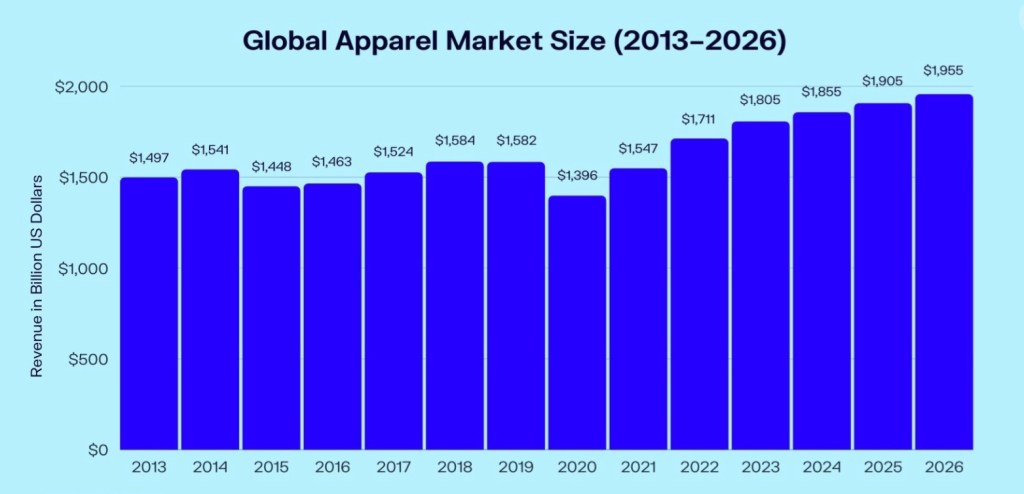
Fig.2

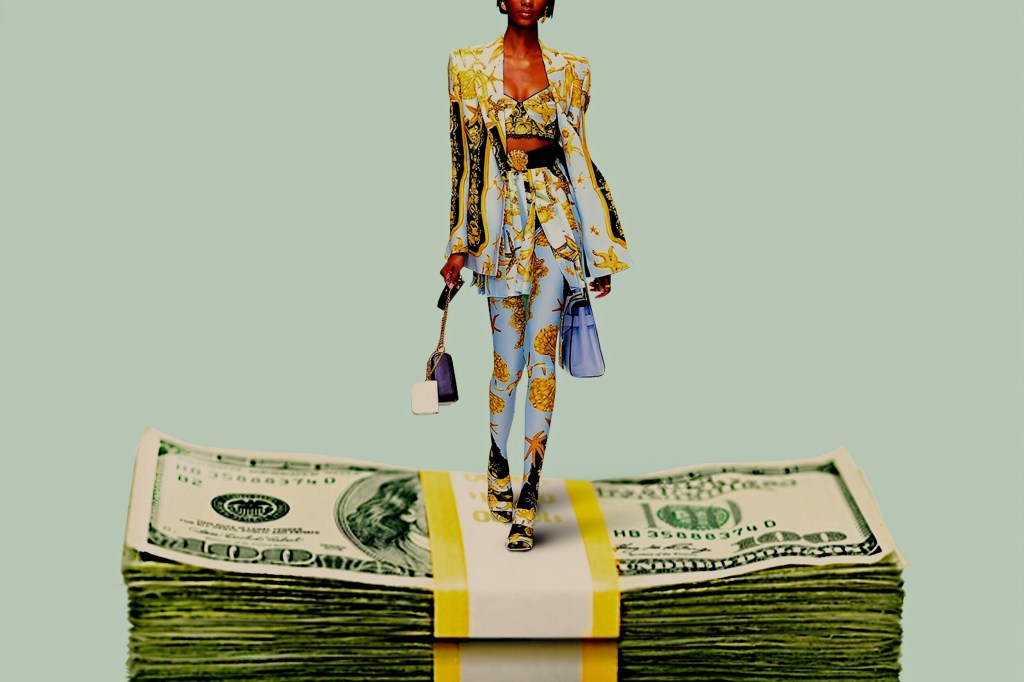
The fashion industry is colossal, both in terms of its global reach and economic impact. The global fashion industry was valued at $2.5 trillion in 2020, making it one of the largest and most influential sectors of the global economy. This vast industry encompasses not only the designing and manufacturing of clothing but also retail, marketing, and a myriad of other interconnected sectors, including luxury, fast fashion, and sustainable fashion. The fashion industry is ranked as the fourth-largest sector, with a staggering influx of 3,000 textile and garment companies joining the market each day (McKinsey &Company, 2022). Moreover, the industry is set to experience consistent annual growth, boasting a substantial 9.45%. Compound Annual Growth Rate from 2023 to 2027, as is estimated to be worth over $3.3 trillion by the year 2030 (Statista, 2023).

Remaining Competitive in Uncertain Economic Times:

In an era marked by economic unpredictability, fashion brands must be agile and innovative to maintain their competitiveness. To do so, they must embrace e-commerce, invest in digital marketing, and offer a seamless online shopping experience. Brands should also prioritize sustainability, as eco-conscious consumers seek ethical and eco-friendly alternatives (Sales fire, 2023). Within the fashion industry, individual sectors exhibit varying degrees of performance. While luxury fashion brands continue to thrive and maintain their exclusivity, fast fashion has grown in popularity by offering affordability and trend-driven products (McKinsey & Company, 2022). Sustainable fashion is also making strides, driven by an increasing consumer awareness of ethical and environmental concerns (MDPI, 2022). However, the industry as a whole faces the challenge of adapting to evolving consumer preferences and digital transformation.

The Role of Creative Directors:

Fig.3
Fig.3

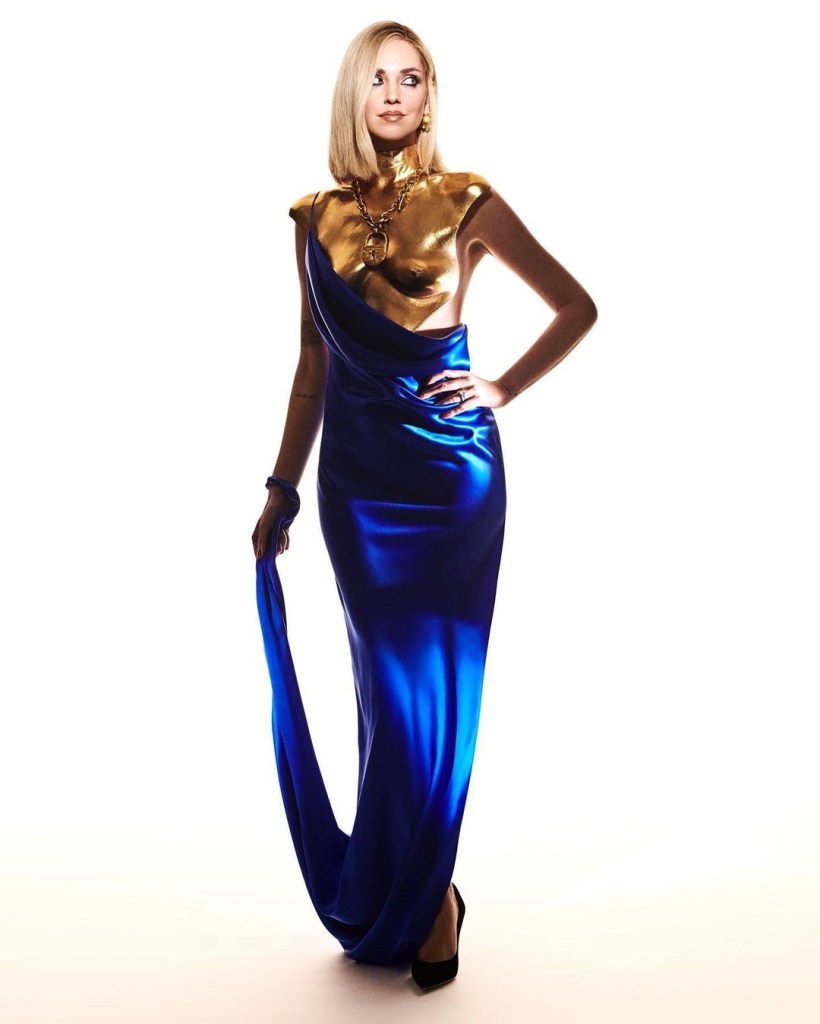
Creative directors play a pivotal role in bridging the gap between creativity and commerce in the fashion industry. These individuals are responsible for setting the creative vision of a brand while ensuring it aligns with market demands. By understanding the evolving tastes of consumers and the economic realities of the industry, creative directors make strategic decisions that not only captivate audiences but also drive sales (Vogue, 2019) . For example, Daniel Roseberrry, the creative director of Schiaparelli has worked along side influencers such as Chiara Ferragni (Schiaparelli, 2023) to maintain the brand’s relevance, simultaneously cultivating its appeal through a combination of surrealistic and primitivist aesthetics. Creative directors must maintain a delicate balance between innovation and profitability.

Art VS Fashion

Fig.4

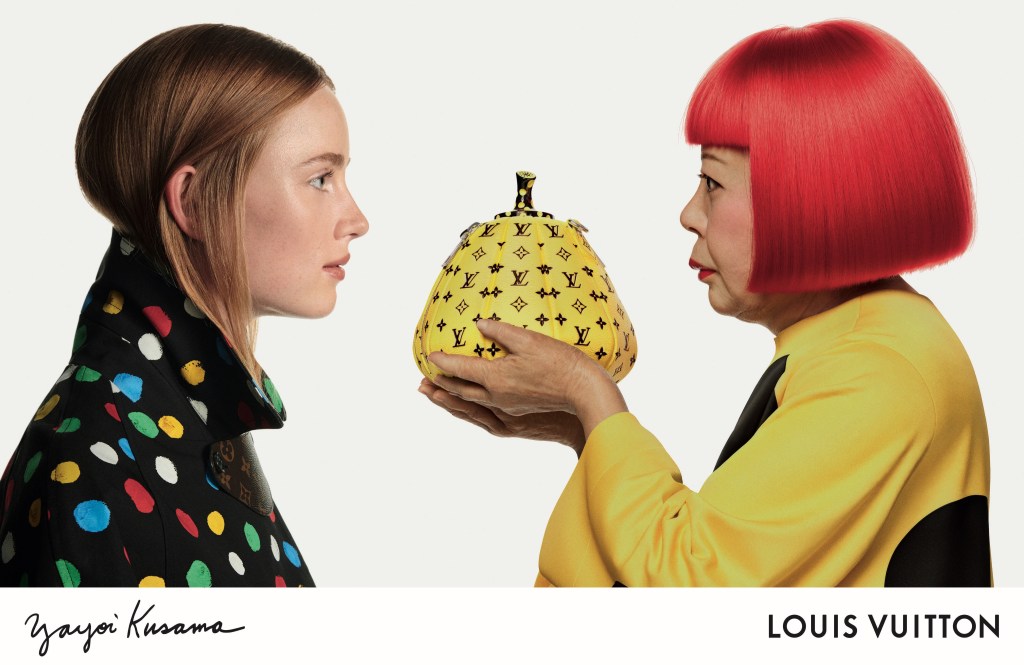
Over time, brands have often collaborated with artists to bridge the worlds of commerce and culture. These collaborations can serve a dual purpose, encompassing both monetary value and aesthetic objectives. While some partnerships, such as the collaboration between Louis Vuitton and Yayoi Kusama, are intended to generate revenue and enhance brand recognition through limited-edition collections, others focus on the artistic value and creativity that the collaboration can bring, emphasizing the aesthetics and emotional impact of the resulting works. In the case of Louis Vuitton and Yayoi Kusama, the partnership blended both monetary and aesthetic goals, demonstrating that art and business can coexist in a mutually beneficial way, contributing to the brand’s success and the artist’s exposure and recognition.

Bibliography:

Fig.1 Dot, S.O.T. (2021). Two Of A Kind: Jet Set. [online] Style on the Dot. Available at: https://styleonthedot.com/2021/04/24/two-of-a-kind-jet-set/ [Accessed 21 Oct. 2023].

Fig.2 Oberlo (2023). Apparel Industry Statistics (2012–2025) | Oberlo. [online] http://www.oberlo.com. Available at: https://www.oberlo.com/statistics/apparel-industry-statistics.

Fig.3 http://www.finestresullarte.info. (n.d.). Ferragni, more art at Sanremo: Yves Klein and sculpture to talk about women’s rights. [online] Available at: https://www.finestresullarte.info/en/news/ferragni-more-art-at-sanremo-yves-klein-and-sculpture-to-talk-about-women-s-rights.

Fig.4 Hashtag Legend. (2020). Daniel Roseberry of Schiaparelli: How to create in a world of chaos. [online] Available at: https://hashtaglegend.com/style/schiaparelli-daniel-roseberry-interview/.

Fig.5 Meter, W.V. (2023). Connecting the Dots: A Decade Later, Yayoi Kusama Returns for a Second Louis Vuitton Collaboration. [online] Artnet News. Available at: https://news.artnet.com/style/yayoi-kusama-louis-vuitton-collaboration-2238734.

Klerk, A. de (2023). Louis Vuitton collaborates with Yayoi Kusama a decade on. [online] Harper’s BAZAAR. Available at: https://www.harpersbazaar.com/uk/fashion/fashion-news/a42416880/louis-vuitton-yayoi-kusama/.

http://www.finestresullarte.info. (n.d.). Ferragni, more art at Sanremo: Yves Klein and sculpture to talk about women’s rights. [online] Available at: https://www.finestresullarte.info/en/news/ferragni-more-art-at-sanremo-yves-klein-and-sculpture-to-talk-about-women-s-rights [Accessed 22 Oct. 2023].

Hashtag Legend. (2020). Daniel Roseberry of Schiaparelli: How to create in a world of chaos. [online] Available at: https://hashtaglegend.com/style/schiaparelli-daniel-roseberry-interview/.

Quora. (n.d.). How big is the clothing/fashion market in 2023? [online] Available at: https://www.quora.com/How-big-is-the-clothing-fashion-market-in-2023 [Accessed 22 Oct. 2023].

McKinsey (2022). The State of Fashion 2023: Holding onto growth as global clouds gather. [online] McKinsey. Available at: https://www.mckinsey.com/industries/retail/our-insights/state-of-fashion.

Llewellyn, B. (2021). Conscious Consumers and the Rise of Sustainability in eCommerce | Articles. [online] Salesfire. Available at: https://www.salesfire.co.uk/articles/conscious-consumers-in-ecommerce/.

Mandarić, D., Hunjet, A. and Vuković, D. (2022). The Impact of Fashion Brand Sustainability on Consumer Purchasing Decisions. Journal of Risk and Financial Management, [online] 15(4), pp.1–17. doi:https://doi.org/10.3390/jrfm15040176.

Mondalek, A. (2019). What luxury fashion brands want in a creative director – Vogue Business Talent. [online] Vogue Business Talent. Available at: https://www.voguebusiness.com/talent/articles/luxury-fashion-brands-creative-director-balmain-louis-vuitton-virgil-abloh/.

Schiaparelli.com. (2021). Maison Schiaparelli – Daniel Roseberry Artistic Director. [online] Available at: https://www.schiaparelli.com/en/21-place-vendome/daniel-roseberry/.

Design a site like this with WordPress.com
Get started